In today’s digital age, customer communities are more important than ever. They provide a platform for customers to connect with each other, share knowledge, and get help from your company. If you’re a customer marketer, building a strong customer community should be a top priority.
Here are 5 steps to help you get started:
- Define your goals. What do you want to achieve with your customer community? Do you want to increase customer engagement, gather feedback, or promote your products and services? Once you know your goals, you can start to develop a strategy.
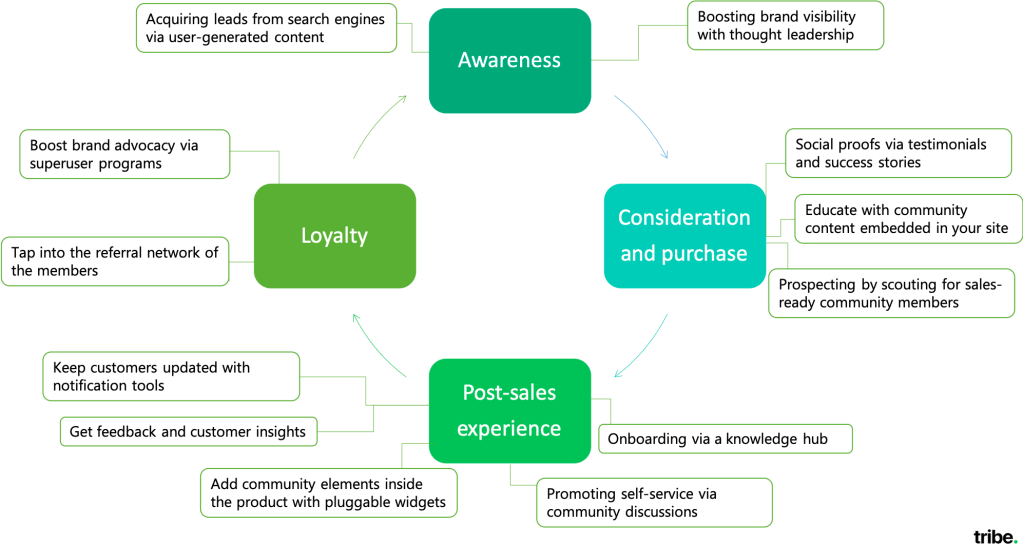
2. Choose the right platform. There are a number of different platforms you can use to build a customer community. Some popular options include Facebook Groups, Slack, and Discourse. Choose a platform that’s easy to use and that fits your budget. I got very lucky and my company invested in Influitive as our platform!
3. Create a welcoming environment. Your customer community should be a place where people feel comfortable asking questions, sharing ideas, and getting help. Make sure the tone is friendly and welcoming, and be sure to moderate the community to keep it on track.
4. Promote your community. Let your customers know about your community through your website, social media, and email marketing. You can also offer incentives for people to join, such as discounts or early access to new products.

5. Engage with your community. The most important thing is to engage with your community. Answer questions, participate in discussions, and celebrate your customers’ successes. When you show that you’re genuinely interested in building a community, your customers will be more likely to stick around.
Building a customer community takes time and effort, but it’s worth it. A strong customer community can help you improve customer satisfaction, increase brand loyalty, and generate new ideas. If you’re a customer marketer, I encourage you to start building your community today.
Bonus tip: Use data to measure your success. Once you’ve built your customer community, it’s important to track your progress. What are your customers talking about? What are their pain points? How are they using your community? By tracking your data, you can see what’s working and what’s not. This will help you make adjustments to your community and ensure that it’s meeting your goals.
Data points:
- A study by Forrester Research found that companies with strong customer communities generate 25% more revenue than those without.
- A study by Bain & Company found that companies with strong customer communities have a 30% higher customer retention rate.
- A study by Gartner found that companies with strong customer communities have a 20% higher customer lifetime value.
I hope this blog post has given you some tips on how to build a customer community. If you have any questions, please feel free to leave a comment below.
 Cassie Sneed: Customer Obsessed